Online buyer guide · Fishing Boat Electronics Planner
The kit's buyer guide
This is the page The Fishing Boat Electronics Planner points to. Prices change too often to print, so the worksheets name each product and this page gives its budget range and a link to Amazon's current price. Copy prices onto the Budget Planner on the day you check them.
Budget ranges are a guide, not a quote; the price on Amazon at checkout is the one that counts.
Three complete setups
A boat with a console, a transom and somewhere to put batteries. The binding constraints are console space and budget, and the sonar is always the first upgrade worth making.
$ Starter setup under $2,000 total
The lowest total cost to a boat that finds fish, holds position and is wired safely. Full reasoning: beginner boat electronics rig.
$$ Buy-once setup under $7,500 total
The buy-once boat: side imaging, GPS anchoring and a lithium bank on a real fuse block. Full reasoning: intermediate boat electronics rig.
$$$ Top end setup under $15,000 total
The performance ceiling: live sonar, a networked nine inch screen and thirty six volts, and who should not buy it. Full reasoning: expert boat electronics rig.
Every pick in the kit, by worksheet
Each product the worksheets name, with why it is there. Links in the PDF land on the matching row.
Sheet 1: Boat & Electronics At A Glance
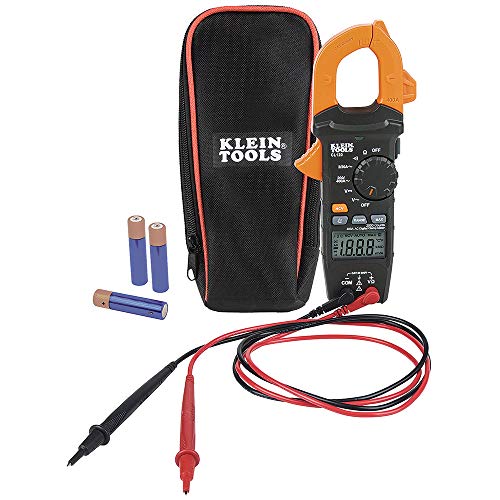
Reads current without breaking the circuit, which is the only practical way to find out what a motor or a charger actually draws rather than trusting the nameplate.
Budget: Under $100
Sheet 2: Fish Finder Buying Decision Sheet

Five inches is the smallest screen where a split of traditional and ClearVu is genuinely readable, with the GT20 transducer in the box. The beginner-tier pick.
Budget: Under $500

Side imaging on a seven inch screen at a price that undercuts most side imaging units. The intermediate-tier, buy-once pick.
Budget: Under $1,000

The sonar box and transducer together for live, real-time imaging. The expert-tier pick, and the single most expensive upgrade in fishing.
Budget: Under $2,500
Sheet 3: Transducer Mounting Checklist

Mounts the transducer on a board rather than putting more holes in the transom, and lets you slide it to find clean water.
Budget: Under $50

The thru-hull choice for a deep vee running at speed, where a transom mount ventilates.
Budget: Under $250
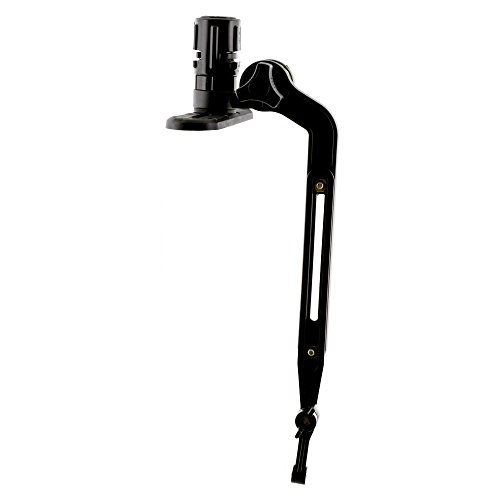
Swings the transducer over the side and lifts it clear for launching and landing, the common failure point of a fixed kayak mount.
Budget: Under $50
Sheet 4: Trolling Motor Sizing Sheet
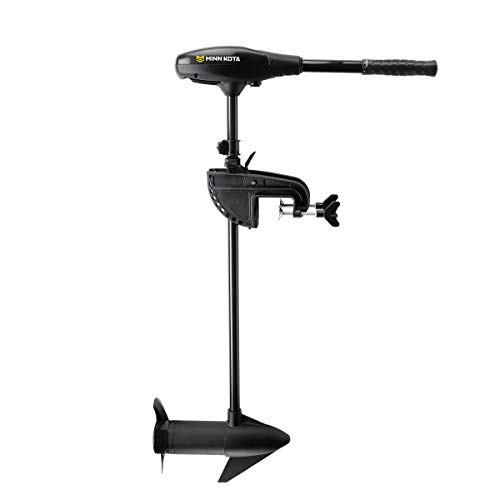
Digital Maximizer gives variable speed rather than five fixed steps, which genuinely extends run time. The beginner-tier transom pick, published maximum draw 50A.
Budget: Under $500

GPS anchoring holds a spot in wind while both hands are on a rod. The intermediate-tier bow mount pick, 12 volt, published maximum draw 50A.
Budget: Under $2,500

36 volts of thrust with a bow transducer built into the shaft. The expert-tier pick, published maximum draw 52A.
Budget: Under $2,500
Sheet 5: Battery Bank & Runtime Planner
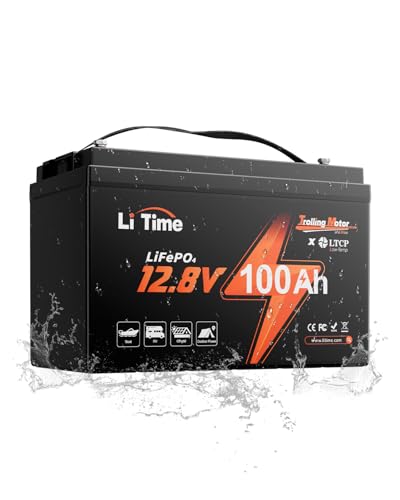
A BMS sized for sustained high discharge. At a real 25A draw it delivers close to its rated capacity, which is the whole lithium argument.
Budget: Under $500
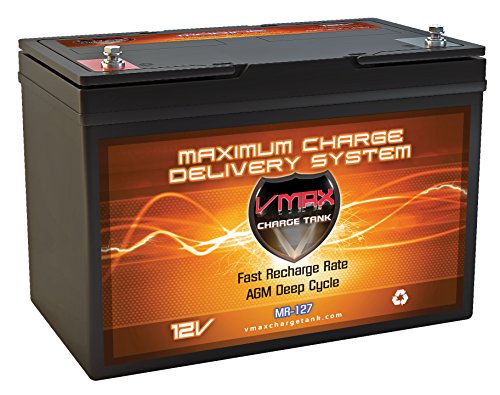
The AGM most commonly recommended for 40 to 100 lb motors, for comparing against the lithium figure above at the same nameplate capacity.
Budget: Under $500

The PCL series carries a lithium profile, which is the specific thing that makes it safe to put on a LiFePO4 bank.
Budget: Under $250
Also on this sheet: Klein Tools CL120 digital clamp meter, 400A AC
Sheet 6: Wiring & Fuse Plan

Tinned and finely stranded, sized by voltage drop over your own measured run.
Budget: Under $50

The main battery fuse. The car audio market floods this category with copies and this is the genuine marine part.
Budget: Under $50

Ancor is the marine wiring reference brand. A ratchet crimper will not release until the crimp is formed.
Budget: Under $100

Adhesive-lined heat shrink in the full range of sizes this sheet's gauges call for.
Budget: Under $50
Sheet 7: Pre-Launch Electronics Checklist

The most common approved auto-inflating vest on the water, so rearm kits are everywhere. Check the cylinder and bobbin date every season.
Budget: Under $250
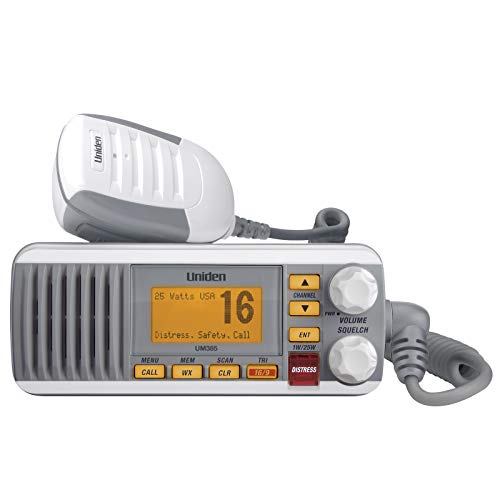
Waterproof, DSC equipped and NOAA weather alert, at close to the price of a good handheld.
Budget: Under $250

Anchor, chain and rode together, with enough chain to actually set the fluke rather than lift it.
Budget: Under $250